The Emotional Power of Black and White Photography
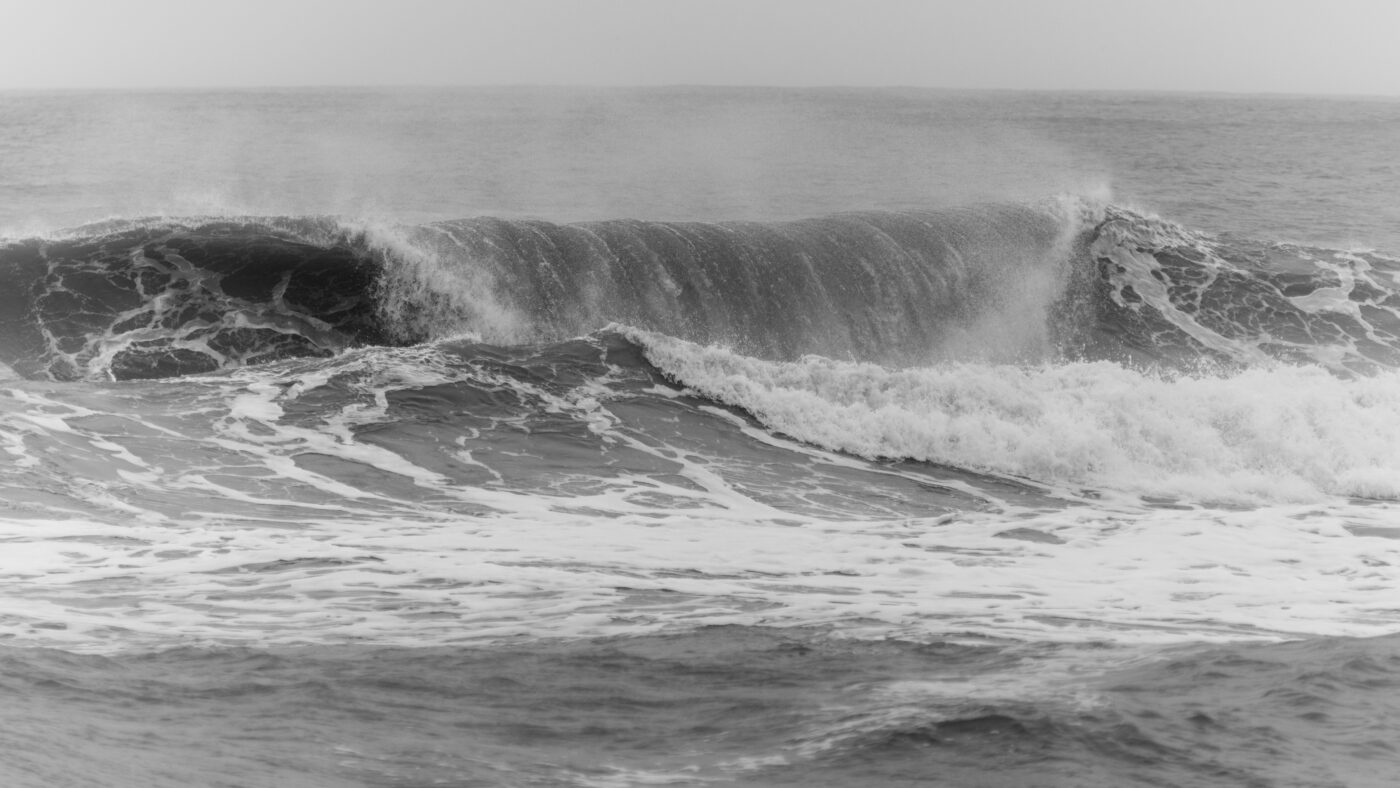
The Emotional Power of Black and White Photography
Art is one of those things that you don’t really have to think about too much unless you want to. Self-taught photographers, like myself, can concentrate on the technical side of photography because often, if you’ve nailed that, you are most of the way to a good image. It’s the ‘art’ component that can move an image into the ‘great’ category.
I’ve been reflecting on something I tell my students – if you don’t like the colors in your image, turn it to black and white and your image is almost instantly better. I’ll be honest though, I really don’t know why that is 🙂
Why Black and White Images Feel More Truthful
One of the first things I think when I see a black and white image is that it is telling me the ‘truth’. I don’t know what it is about stripping away color, but seeing a black and white image makes me feel like I am seeing something as it is, that there isn’t any artifice about it, it hasn’t been manipulated. This is just not true – I know this, I’ve done it myself, but an image that looks like it could be in a newspaper always has an air of authenticity to it to me.
Master-of-the-craft Ansel Adams, famous for his black and white photography, spent a lot of time in the dark room tweaking his images so they reflected his story and what he wanted to say. He used his zone system to control every aspect of light and shadow in his prints. Adams wasn’t just capturing what was there – he was interpreting it, dodging and burning to make the viewer feel what he felt when he stood in front of Half Dome or those twisted trees in the Sierra Nevada.
Clyde Butcher does the same thing with his Florida swamps. Those mysterious, almost otherworldly images of cypress and Spanish moss aren’t straight documentation. He pushes shadows deeper, pulls highlights to create drama that makes you feel the ancient quiet of those places. Dorothea Lange‘s Depression-era portraits gained their power not just from her subjects’ circumstances, but from how she used light to emphasize dignity alongside desperation.
Finding Focus Through Light and Shadow
Here’s what I notice in my own work: when I take a riotously colored street scene – all that visual noise competing for attention – and convert it to black and white, it settles down almost immediately into what the image is actually about. The gesture of someone as they cross the street, the way light hits a building, or the essential mood I am trying to capture – sometimes it’s just easier to ‘see’ in black and white.
My editing approach changes completely too. Instead of wrestling with color balance and saturation, I dodge and burn, sculpting with light to guide the viewer’s eye exactly where I want it to go. It’s like the difference between managing a busy conversation and having a more focused one-on-one chat.
Maybe that’s why black and white images can feel more truthful to us. Not because they haven’t been manipulated, but because they force us – and me as the photographer – to focus on what really matters. We focus on the story underneath all the surface noise.
Photography’s unique position as both documentation and art gives me this gift. I can capture a moment as it happens, then interpret it through light and shadow to reveal what it means. In our visually saturated world, where we’re bombarded with color from every screen and surface, black and white photography offers something rare: the space to feel rather than just see.
Art doesn’t have to be complicated to be profound. Sometimes the most powerful creative choice is deciding what to leave out. And sometimes, when we strip away everything but light and shadow, we discover we’ve been looking at the truth all along.
admin
September 17, 2025
Photography
0



sourwood.photography@gmail.com
Copyright 2026